
Open House Preparation Guide for Sellers to Attract More Buyers
- Jul 22
- 9 min read
A strong open house does more than show rooms. It helps buyers picture their daily life in the home. That happens when the property looks clean, feels easy to move through, and gives people clear reasons to stay longer.
This Open House Preparation Guide covers the steps that matter most: staging, cleaning, scheduling, marketing, signage, buyer experience, and follow-up.

Start with the buyer’s first impression
Buyers begin judging the home before they step inside. The curb appeal, front door, lighting, scent, and entryway all shape their mood.
Focus on simple fixes that make the home feel cared for.
Improve the outside first
Walk across the street and look at the home like a buyer. Notice what stands out.
Take care of these items before the open house:
Mow the lawn and edge the walkways.
Trim bushes away from windows and paths.
Sweep the porch, steps, and driveway.
Remove weeds from beds, cracks, and borders.
Add fresh mulch if beds look tired.
Clean the front door and hardware.
Replace burned-out exterior bulbs.
Hide trash bins, hoses, and unused tools.
If the weather allows, add one or two planters near the entry. Keep them simple. Healthy greenery works better than anything too bold.
Make the entry feel calm
The entry should feel open and fresh. Remove extra shoes, coats, backpacks, keys, pet leashes, and mail.
Add one clean doormat. Turn on the entry light. If the door sticks, squeaks, or has a loose knob, fix it before buyers arrive.
A buyer may not mention these details. They still notice them.
Create a practical staging plan
Staging is not about making the home look expensive. It is about making each room easy to understand.
A buyer should know what every space is for within seconds.
Use less furniture, not more
Too much furniture makes rooms feel smaller. Remove extra chairs, side tables, storage bins, and oversized pieces that block walking paths.
Aim for clear movement through the home. Buyers should be able to walk around beds, dining tables, and sofas without bumping into anything.
In the living room, arrange seating around a clear focal point. That might be a fireplace, window, or media wall. Keep surfaces mostly clear.
Keep colors neutral
Neutral staging helps buyers focus on space, light, and function. This does not mean the home must feel plain. Use texture instead of loud color.
Good choices include:
White or cream bedding.
Light gray or beige throws.
Natural wood accents.
Simple curtains.
Fresh towels in white or soft neutral tones.
Remove highly personal decor, including large family photo displays, political items, hobby collections, and anything that could distract buyers.
Give every room a purpose
First-time buyers often compare homes by function. A spare room should not feel like a catchall space.
Turn unclear areas into useful zones:
A small bedroom can become a guest room.
A nook can become a reading corner.
A finished basement area can become a playroom or media space.
A wide hallway can hold a small console table, if it does not block flow.
If a room has no clear use, buyers may see it as wasted space.
Stage for storage
Storage matters. Buyers will open closets, cabinets, pantry doors, and built-ins.
Make storage look generous by removing at least one-third of the contents. Use matching bins where helpful. Keep floors clear. Neatly fold linens. Avoid stuffing items into closets before the open house.
A full closet tells buyers there is not enough storage. A neat closet tells them the home works.

Clean like buyers will inspect everything
A clean home sends a clear signal. It tells buyers the property has been maintained.
This is not the time for a quick surface wipe. Clean the areas buyers touch, smell, and inspect.
Whole-home cleaning checklist
Work from top to bottom so dust does not settle on finished surfaces.
Dust ceiling fans, vents, light fixtures, and corners.
Wipe baseboards, doors, trim, and switch plates.
Clean windows, tracks, and sills.
Vacuum carpets and rugs.
Mop hard floors.
Remove cobwebs from ceilings and exterior corners.
Clean mirrors and glass.
Empty trash cans.
Replace old air filters if needed.
Open blinds and curtains to bring in light.
Pay attention to scent. Avoid heavy air fresheners. They can make buyers wonder what is being covered up. Use fresh air, clean fabrics, and a neutral-smelling home instead.
Kitchen cleaning checklist
Kitchens get close attention. Buyers picture morning routines, weeknight dinners, and storage needs.
Before the open house:
Clear countertops except for one or two simple items.
Clean the sink and faucet.
Wipe cabinets and handles.
Clean the stovetop, oven front, and range hood.
Remove magnets, papers, and photos from the refrigerator.
Organize pantry shelves.
Empty the dishwasher.
Take out the trash before showtime.
Do not cook strong-smelling food the day of the open house. Fish, bacon, heavy spices, and fried foods can linger.
Bathroom cleaning checklist
Bathrooms must feel fresh. Even small bathrooms can show well when they are spotless.
Handle these items:
Scrub toilets, tubs, showers, and sinks.
Clean grout and caulk where possible.
Polish mirrors and faucets.
Put out fresh towels.
Remove personal care items from counters.
Store toothbrushes, razors, medications, and cosmetics out of sight.
Empty small trash cans.
Close toilet lids.
If shower curtains, bath mats, or towels look worn, replace them with simple, clean versions.
Pet and kid items need a plan
Many homes include pets, children, or both. Buyers understand that. They still want the home to feel clean and easy to tour.
Before the open house:
Remove pet bowls, litter boxes, toys, and beds.
Arrange for pets to be out of the home.
Store children’s toys in bins or closets.
Clear homework, craft supplies, and sports gear.
Check walls and doors for scuffs.
A growing family may love seeing usable family spaces. They do not need to see every item from daily life.
Fix small problems before they become buyer objections
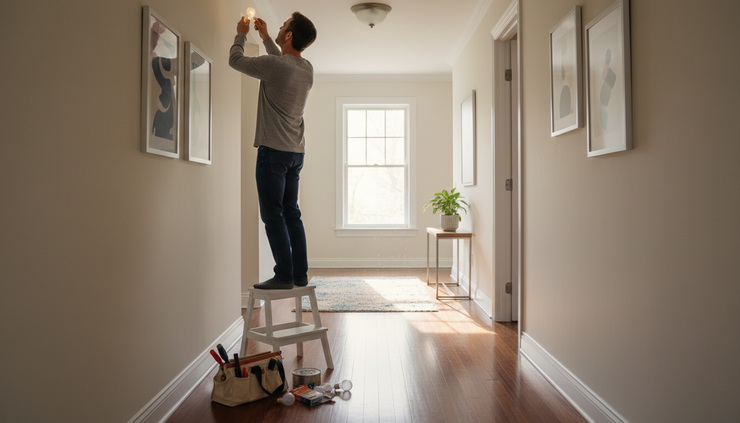
Minor problems feel bigger during an open house. A loose handle or burned-out bulb can make buyers wonder what else needs attention.
Walk through the home with a notepad. Open doors. Turn on lights. Run faucets. Look at the home in daylight and at night.
Fix these simple issues:
Burned-out bulbs.
Loose cabinet pulls.
Squeaky hinges.
Slow drains.
Running toilets.
Stained caulk.
Missing outlet covers.
Scuffed walls.
Doors that do not close cleanly.
Touch-up paint can help, but use care. Poor paint matches draw attention. If the wall has many marks, repainting the full wall may look better.
Schedule the open house at the right time
Timing can affect turnout. The best schedule depends on local habits, weather, commute patterns, and nearby events. Still, some general rules help.
Weekend afternoons often work well because buyers have more time. Avoid major holidays, big local events, and times when traffic or parking will be difficult.
If the home gets great morning light, discuss an earlier time with your agent. If the backyard looks best in the afternoon, plan around that.
Prepare a simple timeline
Use a written schedule so the final week does not feel rushed.
Time before open house | What to do |
2 to 3 weeks | Declutter, donate, pack extra items, plan repairs |
1 to 2 weeks | Deep clean, stage rooms, arrange furniture, improve curb appeal |
3 to 5 days | Confirm marketing, prepare flyers, check signage rules |
1 day | Clean floors, wipe surfaces, mow if needed, store personal items |
Morning of | Open blinds, adjust temperature, turn on lights, remove trash |
30 minutes before | Leave the home, secure valuables, let the agent prepare |
This timeline keeps you from doing everything at once. It also gives time to solve small problems before buyers arrive.
Use marketing that sets clear expectations
Marketing should help the right buyers decide to visit. Use clear photos, accurate details, and a simple message about what makes the home worth seeing.
Good open house marketing often includes:
Listing photos that show clean, bright rooms.
A strong property description.
Accurate square footage and room details.
Open house date and time.
Parking notes if needed.
Key features, such as a fenced yard, updated kitchen, home office space, or nearby transit.
Avoid overselling. If buyers arrive and the home does not match the description, trust drops fast.
Highlight features buyers care about
Many first-time buyers and growing families look for practical value. Put useful details front and center.
Strong features may include:
Move-in-ready condition.
Updated systems.
Good storage.
Flexible rooms.
Outdoor space.
Laundry location.
Garage or driveway parking.
Nearby schools, parks, groceries, or commuting routes.
Keep the message specific. “Large pantry with adjustable shelving” is stronger than “great storage.”
Prepare print materials
Even if buyers saw the listing online, a simple printed sheet helps them remember the home.
Include:
Property address.
Asking price, if appropriate for your market.
Room count and basic details.
Key updates.
Open house contact.
Clear next steps for offers or questions.
Do not leave out needed disclosures or required information. Real estate rules vary by state, so work with a licensed professional when needed.
Place signage where buyers need it
Signage helps buyers find the home and feel confident they are in the right place. It also catches nearby traffic.
Check local rules and neighborhood guidelines before placing signs. Some areas limit size, placement, or timing.
Use signs at decision points:
Main road entrance.
Neighborhood turn.
Street corner near the home.
Front yard or walkway.
Make sure signs are easy to read from a car. Keep arrows clear. Remove signs as soon as the open house ends.
If parking is limited, add simple instructions through your agent’s materials. Buyers should not feel confused before they reach the door.

Create a welcoming atmosphere during the open house
The home should feel comfortable, not staged to the point where buyers feel afraid to touch anything.
Set the temperature before guests arrive. In warm months, keep the home cool. In cold months, keep it warm enough that buyers want to stay.
Turn on lights in every room. Open blinds unless there is a privacy concern. Play no music unless your agent recommends it for the setting. Silence is often better than the wrong playlist.
Use scent carefully
Clean is the best scent. Fresh air is better than candles, sprays, or plug-ins.
If you want a light touch, use one subtle option:
Fresh flowers.
A bowl of lemons.
Clean linens.
A lightly opened window before the event.
Avoid strong candles. Some buyers have allergies or scent sensitivities.
Make the home easy to tour
Buyers should move naturally from room to room. Clear floor space and open doors to areas they should see.
Before leaving:
Turn on all interior lights.
Open closet doors only if your agent prefers it.
Put valuables and medications away.
Secure financial documents.
Remove personal calendars and mail.
Take pets out of the home.
Close garage doors unless access is planned.
Leave the showing to the agent. Buyers speak more freely when sellers are not present.
Engage buyers without pressure
Open house engagement should feel helpful. Buyers need room to explore, but they also need answers.
Your agent can greet guests, provide a printed sheet, point out highlights, and ask if they have questions. The goal is to learn what buyers care about without making them feel watched.
Useful questions include:
What features are most important in your search?
Are you looking for a quick move-in timeline?
Would you like details about recent updates?
Do you have questions about the floor plan or neighborhood?
These questions help guide follow-up. They also show buyers that the home is being presented with care.
Follow up after the open house
The work does not end when the last visitor leaves. Follow-up can turn interest into a second showing or offer.
Ask your agent for feedback on:
Number of visitors.
Common buyer comments.
Questions that came up.
Features buyers liked.
Concerns buyers repeated.
Interest level from agents or buyers.
If several buyers mention the same issue, address it when possible. For example, if a room feels dark, add lighting before the next showing. If buyers missed a key feature, improve the listing copy or printed sheet.
Follow-up should happen soon after the open house, while the home is still fresh in buyers’ minds. A short message can answer questions, share documents, or invite a private showing.
Final open house checklist
Use this list on the day of the event.
Floors are clean.
Counters are clear.
Beds are made.
Bathrooms are fresh.
Trash is removed.
Lights are on.
Blinds are open.
Temperature is comfortable.
Pets are out of the home.
Valuables are secured.
Yard and entry are tidy.
Signs are placed correctly.
Flyers or property sheets are ready.
Agent has access and instructions.
Print the checklist or save it on your phone. Small details are easier to manage when they are written down.
Frequently Asked Questions
How clean should my home be before an open house?
It should be clean enough for buyers to look closely at kitchens, bathrooms, floors, windows, and storage areas. Focus on surfaces, smells, and places buyers may touch or open.
Should I leave during the open house?
Yes. Sellers should usually leave. Buyers are more comfortable asking questions and sharing honest reactions when the owner is not there.
What should I remove before an open house?
Remove valuables, medications, personal documents, family photos, pet items, clutter, and anything that blocks walking paths. Store personal items in a safe place, not just in a random closet.
Are refreshments needed?
They are optional. If you offer anything, keep it simple and low-mess, such as bottled water. Avoid food with strong smells or anything that could spill easily.
What if buyers give negative feedback?
Use it as information. One comment may be personal taste. Repeated feedback points to something worth fixing, explaining better, or pricing into the strategy.
A confident open house starts with preparation
An open house does not need to be perfect. It needs to feel clean, clear, and welcoming. Buyers should understand the layout, notice the best features, and feel comfortable taking the next step.
Start early. Remove distractions. Clean deeply. Stage each room with purpose. Support the event with clear marketing, smart signage, and fast follow-up.
When the home feels easy to imagine living in, buyers stay longer. That is when real interest can grow.


